Freelance Journalists: What you should do (and not do) after you send your pitch to editors

Once you click SEND on your emailed pitch to an editor, relief washes over your bones and you unclench your jaw. Done and done! But are you, really? In one sense, sure. You just sent a pitch for a story idea that fills you with such confidence, you even told your parents you might get published in Wired in a couple months. Based on my 20+ years in journalism, I’ve come to realize my work isn’t over once I’ve sent off the pitch to an editor. If I don’t get a reply within a week, I should be proactive. I need to ensure I follow up on each pitch, tracking when I sent a reminder email, and analyzing which types of ideas have attracted the most commissions. Track and feel it out When I coach students in my Become a Better Writer courses, I suggest they track their journalism pitches in a cloud-friendly database, such as Google Sheets. They should include fields for date sent, story idea, publication, editor’s name and email, if accepted, and one more important field—followed up or not? Let’s be straight up about editors: They aren’t opening your pitch the day you send it, and most likely they will only get to it a week or two from reception. That means you can’t expect quick turnarounds with editors at the more prestigious pubs, which may often take a month or two to net a reply. Still, editors expect a nudge email. That email reminds editors about your idea that you sent X days or weeks ago. It’s as short as possible, and never goes over the same idea that you already passed along. Use the same thread as the sent email so the editor just has to scroll up to read the pitch. In that followed-up field, I’ll write the date of the nudge email. I generally wait a week for most outlets, and two weeks for the higher-paying ones, such as The Walrus or Toronto Life. But wait, you declare, what should I write in this nudge email? Keep it Simple and Short For starters, I’m not looking to drag the editor into paragraphs of woe-is-me rants on how this timely story has to be developed ASAP; I’m just here to lightly poke the editor into reading my first email. The text of my nudge email usually reads: Hi ____, I’m the freelance journalist who sent you this pitch two weeks ago, and I’m wondering if you had a chance to read it recently. I look forward to your reply. Best, David Silverberg Boom, that’s it! Nothing more, nothing less. That kind of pithiness can be enough for an editor to scoot up his cursor to find the original pitch, give it a read then, and reply to me within the hour. It’s happened. And you might be curious what my success rate for nudge emails have been. I’ve only started tracking these emails in the past five years, so anecdotally over my career I estimate around half of my follow-ups have elicited a reply, a yay or nay, and of those, around a third were greenlit. The lesson here is that if I never sent those nudge emails, my pitch may remained in the slush pile, forever to be leapt over by fresher pitches that, for some reason, caught the editor’s attention immediately. There’s no reason why certain pitches get accepted within the week or within the season. Well, the editor will know why she’s not replying to you ASAP, but you’re not privy to that info, so rest assured that most editors will reply to you in some way…at some point. Nudge emails take minimal effort and planning, demonstrate your professionalism to editors, and ease your anxious thoughts circling around if that editor will get back to you about your gold-star idea. But wait one more minute, oh fearless writing coach! What say you to TWO nudge emails? To that I say, go for it, but I usually end it at one email. If I don’t get a reply to that message, I don’t pester the editor, and instead assume the idea was turned down and the editor didn’t or forgot to reply to me. There’s no harm in sending a second email, but I can gauge when an editor or a pub is interested in a story, and when it’s time to move on. To that end, too, I’d suggest assessing your accepted and rejected pitches once a year, while also tracking which editors needed that nudge email to yield a reply. That way, you can have a solid view of the kinds of ideas winning favour. You can then determine which editors have been most lax in getting back to you in that first email, and remind yourself to continue to send nudge emails to those editors, especially. If you have questions about pitching as a journalist, contact me anytime, or check out the writing courses I’ve made available to freelance journalists of any level.
How freelance writers can better manage the scourge of rejection
Your pitches will be rejected. No one bats 1000. So how will you recover from that feeling and rebound to freelance another day?
My February 2021 journalism work
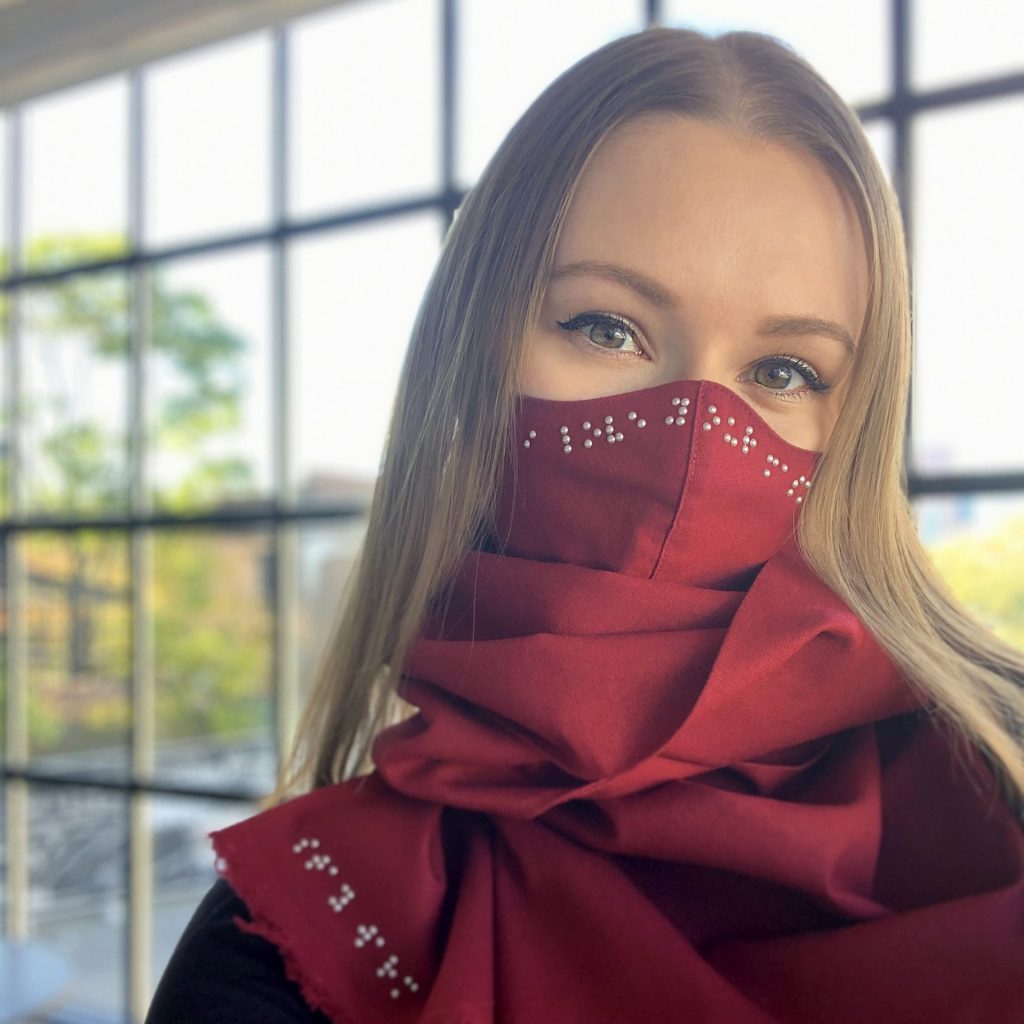
Shortest month of the year but busiest one I’ve had since September, thanks to a slew of BBC News assignments and working with two new clients. I made it a goal to develop relationships with a new client every quarter, and so far I’ve been succeeding. I’m excited to write for The Daily Hive and Cannabis Health Magazine in the coming year, along with my usual clients such as BBC News, The Washington Post, Fodor’s, and many more. Where can you find my most recent bylines? See below: Toronto Star – Profile of Avenue Diner, a Yorkville legend since 1944 The Star’s Sunday Life section is all about those feel-good stories, and once again I’m giving readers an inside look at a diner well-known to downtown Toronto heads. The Avenue Diner has always been my go-to spot when I walked to Yorkville when I lived along Dupont. This time, I got a peek behind the counter to reveal all the celebrity connections this spot enjoys, such as Mike Myers coming here for the Canadian bacon he can’t back in L.A. BBC News – Inside the geothermal energy revolution What I love about freelance writing is delving into a topic I’ve long been curious about, and recently I sunk my teeth into geothermal energy. OUCH, that’s sizzling hot! It’s clear geothermal is on the rise, but its cost and poor PR campaigns have stymied it from breakinginto the mainstream. I predict that will change, as I make the case for that upward trend in the BBC News report. Toronto Star – The Leafs-bashing fun-loving owner of Lakeshore Super Submarine This Star assignment has been all smiles, and not just because it was my birthday when I visited George and his sub shop in Etobicoke. The owner is the kind of guy who can’t stop joking, but not in the annoying pun-heavy way. Getting to know George and his motivation for his non-stop focus on running the sub spot was truly inspiring, and hopefully that came through in the article. Cannabis Health Magazine – The medical cannabis guru who wants to pay it forward If you know my journalistic specialties by reading htis blog, you know I’ve been a cannabis reporter for a decade. A new cannabis client on my roster is Cannabis Health Magazine, out of B.C., and I’m excited to write for a new cannabis outlet with top-notch articles and reputable writers. In my debut piece for them, I profile Jack Kungel of Ontario, a medical cannabis advocate whose remarkable life story has recently been captured on camera in a short documentary. The Daily Hive – Toronto fashionista crafts Braille masks for visually challenged It’s funny how you hear about interesting stories. This fashion trailblazer came to me via the Ryerson Alumni newsletter, since she is also a fellow Rye High grad. My journalistic Spidey sense tweaked when I read about Alexa Jovanovic’s clothing line designed with the visually impaired in mind. She brought Braille designs to masks and shirts and jackets, and also involved people with visual disabilities to take part in the creative phases of getting the startup going. Check out a few of the Aille Design pieces below:
Where I’ve been published – November 2020

In this edition of “Where is my byline now?” I look at my recent work for BBC News, Fodor’s, and an alumni publication.
How being a journalist has made me a stronger creative writer

When I first began working as a journalist, I was worried. I had spent years believing I would grow up to become a fiction novelist or creative writer