Read my latest writing in the new Portfolio page

It’s about time I levelled up my website by alerting visitors to my latest journalistic and brand writing. That’s why I worked with my web designer to launch my new PORTFOLIO page on this website, which included my work for news outlets such as BBC News, The Toronto Star and Fast Company, as well as for brands such as Zapier. This Blog section used to be a home for my writing but I want to keep my insights and perspectives on freelancing separate from my latest clips. And, as always, if you have any questions about my coaching and consulting business, get in touch anytime!
Why you should ask upfront for half the fee for major projects

When I endured the frustration of not getting paid due to a bankrupt client, I realized I didn’t take my own advice: ask for half a project before you submit the first draft.
Read my latest clips for BBC News, Agriculture Dive

This winter has been busy, due in part to working with several new clients such as Agriculture Dive and ForesightDK.
Read my latest work in the Star, Princeton Alumni Weekly
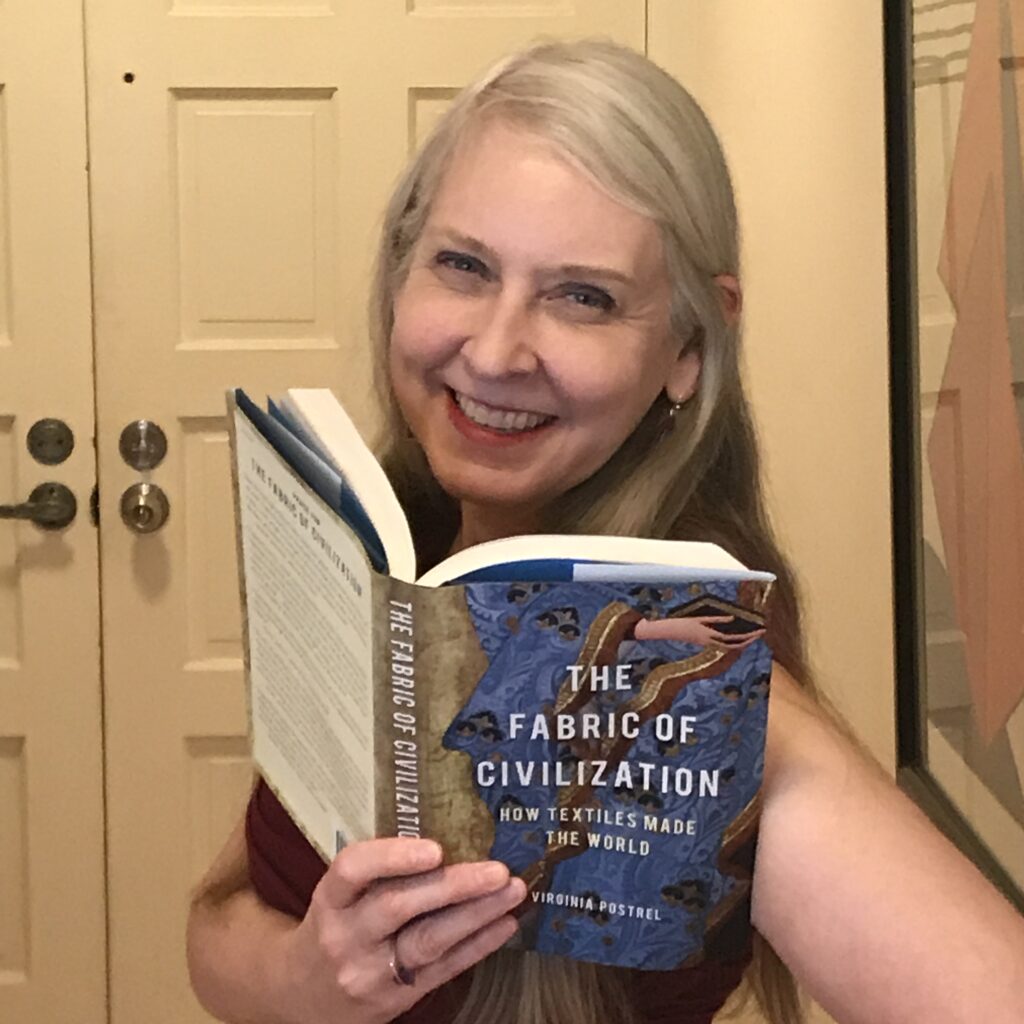
If there’s any particular niche I’ve established over the past five years, it’s writing profiles of successful people. I’ve always enjoyed the approach of learning about someone ambitious, interviewing them…
Check out my latest clips in Fast Company, BBC News, Toronto Star
Find out where I’ve been published and what I’ve been working on this summer!
My four-part Medium series breaks down how to write tight
A year ago, I decided to dabble in writing on Medium, where I saw many fellow writers turn to a a blogging platform. Once I found my footing and niche (writing advice), I launched a four-part series on how to hone the craft. I could’ve waxed poetic on this topic for more than four posts, but I wanted to practice what I preached and keep the tips tight and succinct. In the first post, I look at getting rid of redundancies, and in the second post I advise writers to avoid those pointless hedgers and qualifiers. In the third part, I reveal the scourge of the run-on sentence and the importance of varying sentence length to create natural rhythms and cadences. And in the final post, I outline the best ways to avoid dropping cliches in your work. Give them a read and let me know what you think on Medium (if you’re a member) or via my Twitter feed. Stay tuned to this space for more posts on becoming a better writer. Remember, if you want to get coached by an experienced prose and non-fiction writer, you can learn more about my courses here.
The 5 mistake to avoid when you interview sources

You just landed an interview, ideally in-person, and now you’re wondering how to get the most out of your interviewee. After conducting more than 500 interviews in my work as a freelance journalist, I can attest to how important is to prepare thoroughly and learn to be a strong listener during those one-on-one sessions. But I recognize not every journalist boasts that wealth of experience, which is one of the reasons why I became a writing coach: to share my knowledge so others can benefit. That’s why I want to shed light on the five mistakes budding journalists make when they sit down to conduct interviews with folks. Also, if you have any feedback or questions about this advice, feel free to find me on Twitter @SilverbergDave Don’t forget to research and prep It’s never smart to go into an interview cold. It might sound obvious, even to first-time journos, but you should always research your source thoroughly, knowing everything about her childhood, education, career choices, hobbies, public statements, what others have said about her, etc. Then write a few questions that you can bring to the interview. Ideally, these should be in an easily accessible notepad. More soon about the types of questions you should be asking. But coming back to that notepad… Don’t rely on your memory for moments of colour, detail Every engaging profile of someone, if that’s the article you’re tackling, includes vivid details about the interviewee. As much as you want to ensure you have the best quotes to include in your profile, you have to also embed alluring colour: How is she speaking? Quickly, deliberately, anxiously? Do her hand gestures or body movement convey anything about her feelings during a certain answer? If you’re interviewing her at her home or office (both highly recommended), what can readers learn about her through her décor or photos on the wall? That’s why you need that notepad with you to record those details. And that’s why you need a voice recorder to do the heavy lifting of capturing the entire interview, allowing your notepad to take down those colourful descriptions that can elevate your profile from great to amazing. Refrain from asking closed questions Closed questions are usually answered with a “yes” or “no.” They may come in the form of something like, “Were you happy when you left your old job to take on this new role?” That will be a yes or no answer, and will leave you with nothing meaty to work from. That’s why a better more open-ended question of that same topic could be, “Tell me how you felt when you left your old job.” She can’t answer with a yes or no there, and you’ll likely learn something about her emotional wellbeing during that moment in her life. A good rule-of-thumb is to begin question with “why”, “how”, “what inspired you to…” and “explain more about…” It’s not that you can’t ever ask questions that begin with “where” or “who”, say, but just realize you’ll be getting more factual answers than emotional answers with those kinds of queries. Don’t ask the hardball questions first If you’re writing an investigate article that requires you to ask some tough questions, your source will have her hackles up. It won’t be a breezy interview. But there are ways to get the most out of what could be a tight-lipped conversation. What I’ve found helpful is waiting to ask the really tough questions that form the backbone of the interview. When she can feel comfortable talking to you, that’s when you can go for the more important questions. So, in the beginning of the chat, opt for softball questions to ease them into the interview. Ask about her life growing up, what she found exciting about school or her first job, the kinds of books she reads, the mentors she’s had, and so on. Then, maybe halfway through the interview, lob those hardball questions. I can’t guarantee she’ll open up to you or refrain from saying “no comment” but if you’re friendly to begin with, it’ll be easier to lean towards more difficult questions that you truly want to ask. Don’t let your interviewee get long-winded I’ve faced this many times: You ask a question about X, and the interviewee meanders this way and that, talking about Y, Z and every other letter, and you’re waiting patiently for her to finally get to X…but you’re not sure how long it will take to get there. When you’re faced with a long-winded and distracted reply, it’s up to you to steer it back to where you want the answer to go. If it were up to interviewees, they could wax poetic about how great they kids are until you’re ready to leave. The more you can stay in control of the interview, the better quotes you’ll receive. One tactic I’ve used is to say, during a wandering answer, “So that’s interesting, but can you come back to my question about why you decided to take on this new job?” You’ll likely be welcomed with a smile, perhaps an apology, and then the interview will get back on track and you’ll be treated to the answer you sought. Just be respectful and polite with this kind of question. You might be frustrated by long-winded answers, but it’s still critical to realize this interviewee doesn’t HAVE TO speak to you, they’re really doing you a favour, so reporters should remember to ask these kinds of questions with patience and civility.
The top 3 podcasts for freelance journalists
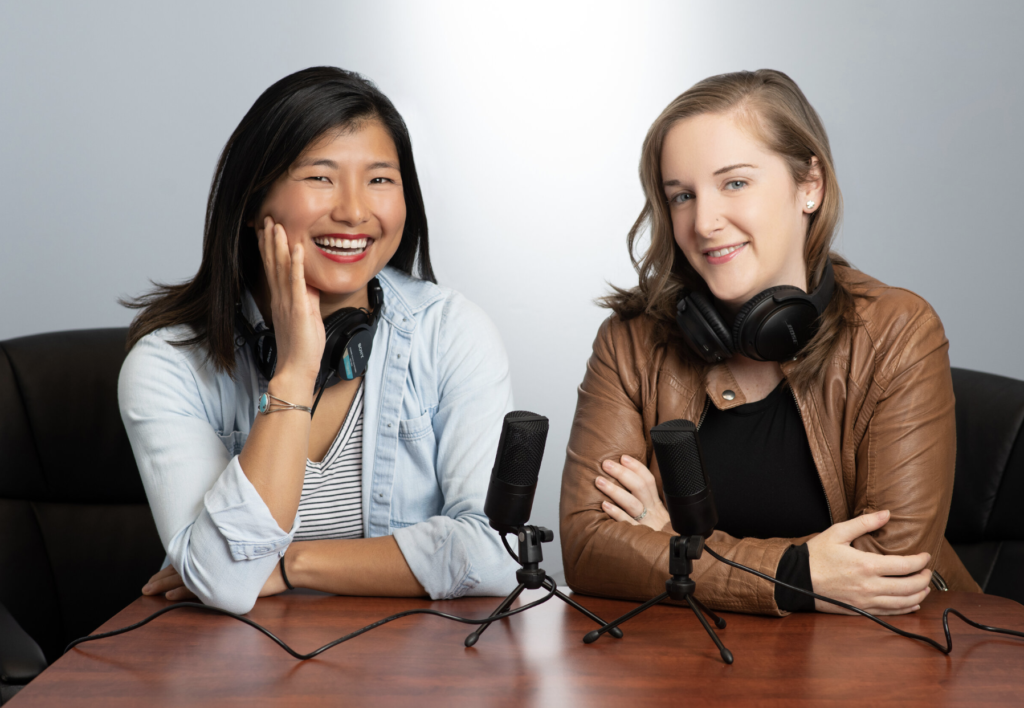
It’s time to learn about the best podcasts for dishing out advice to freelance journalists!
Why every writer needs to have an Inspiration File
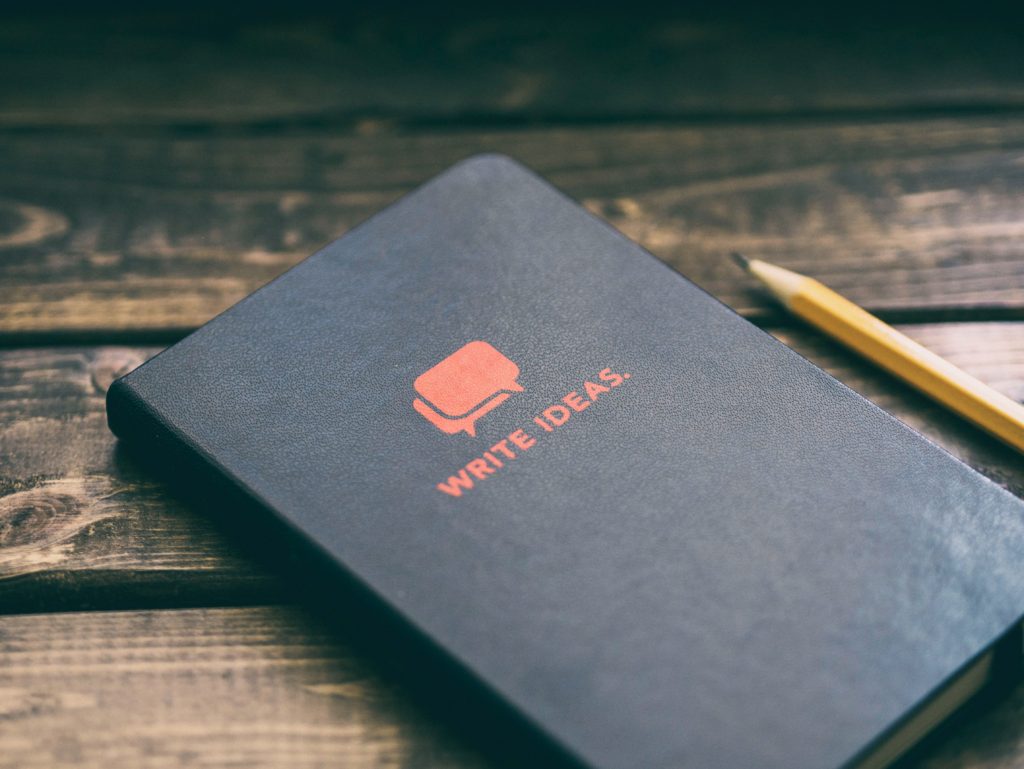
In a note on my Evernote app, titled Inspiration File, a list of random words and phrases might seem confusing to a stranger’s eye, but for me, they represent five years’ worth of curating the most intriguing pieces of writing I’ve come across. In both the fiction and non-fiction I read, I pay attention to any sentences or even verbs that cause me to crane my attention and think, “Hmm. Haven’t used/thought of that one in a bit.” I contend that every writer, no matter the vertical, should have an Inspiration File on their phone or notepad. We can’t rely on our memory to pull up that moving phrase we want to tweak with our voice; at least I don’t claim to have an impeccable memory, so that’s where my iPhone’s Evernote comes in. I’ve long had my phone nearby when I’m reading a book or article (which isn’t going to help you ignore texts and notifications, so adjust your settings when appropriate). When a certain phrase strikes me oh so splendidly, I head to my Inspiration File to input le mot juste before I can forget it, and I might even add a parenthetical note to it, such as “Use to describe next restaurant I profile,” or “Potential poem ending.” These standout words and sentences don’t have to be groundbreaking metaphors; they might something as simple as the verb “amplify” which I’m using more often in some copywriting for tech clients. It’s a chewy word when used appropriately, and it’s more succinct than, say, “make more prevalent.” My file contains phrases such as, “She noticed how manicured her life had become,” thanks to the unique adjective “manicured” peppering that sentence. I also remember swiftly writing down a Harlan Ellison line that struck me as potently apt when I read it: “She looked at me like a house that’s been on the market too long.” When it comes to exact metaphors or turns of phrases you crib down in the app, this tactic isn’t inviting you to plagiarize. A strong writer will see a phrase that speaks to them and find their own way to personify it, perhaps switching out one word for another or allowing that metaphor to inspire another thought. The more you can read with intention and flex your vocabulary muscle when it’s time to face the blinking cursor, you’ll have a deeper repository of interesting and evocative writing designed to elevate your work from great to memorable.
6 lessons I learned after 6 years of working as a full-time freelance writer

Learning to say no. Hustling non-stop. Negotiating like a boss. These are some of the takeaways from my past six years of excelling as a freelance journalist.